
Critical minerals & gemstones.
From the materials powering industry to the gemstones revealing Ethiopia's extraordinary geological diversity.
Explore the minerals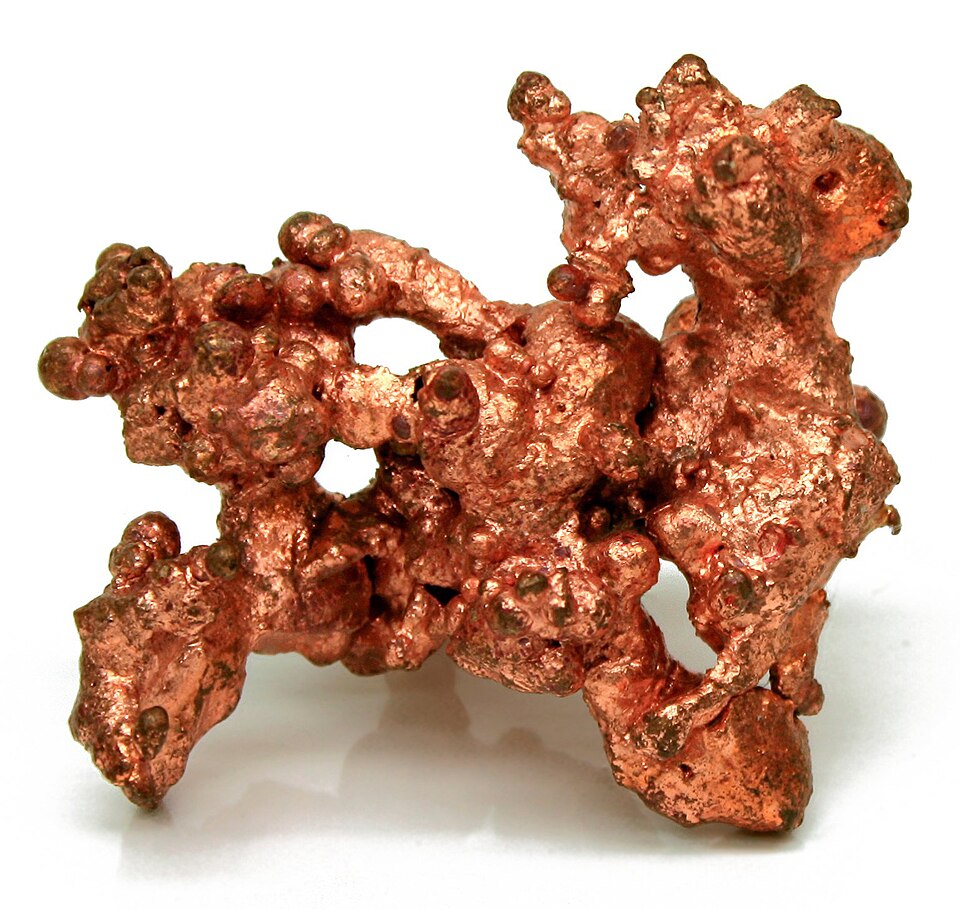
Small components.
Global importance.
Criticality is about economic importance and supply risk—not simply how rare a material is.
Definitions vary by country and change over time. This guide covers selected materials relevant to UMEX’s mineral interests; it is not an exhaustive global list or a statement of available stock.
UMEX’s role spans mineral sourcing and aggregation, trading, export coordination, equipment solutions and investment facilitation.
Discover Ethiopia's gemstones. Explore a new tourmaline source confirmed in 2026, alongside established opal, emerald and sapphire deposits. Gemstones are presented as a separate part of the mineral portfolio; inclusion here does not classify them as critical minerals. Explore the latest discovery.
Explore the mineral guide.
Search by material or application. Open each entry for an overview and useful procurement questions.
Real specimen photographs, not UMEX stock or product grades. Photo origins are labelled; representative specimens from other countries illustrate the gem variety, not Ethiopian provenance. Open a profile to learn more.
14 mineral profiles
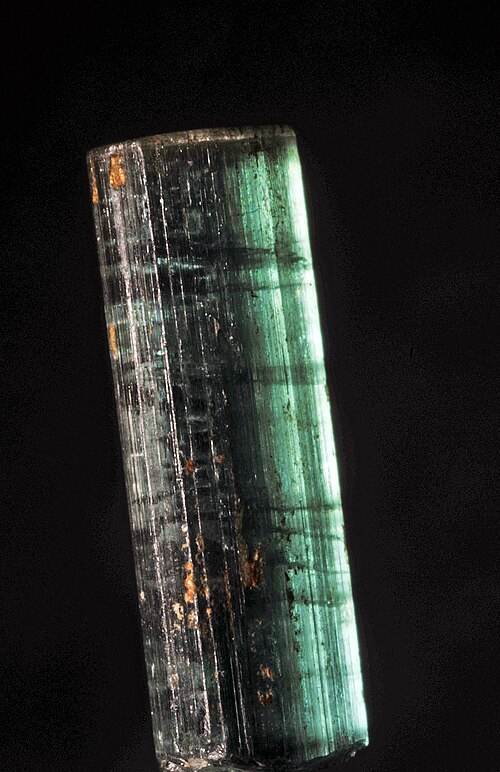 Representative Paraíba crystal · Brazil2026CuParaíba-type tourmalineNew Ethiopian source confirmed in 2026.Copper-bearing tourmalineExplore profileClose profile
The Ethiopian story
Ethiopia entered the spotlight in August 2026 when GIA and Gübelin Gem Lab independently confirmed a new source of copper-bearing tourmaline meeting the paraíba definition. This is a newly confirmed source, rather than a newly discovered mineral species.
What to discuss with a supplier
Request an independent identification report, geographic-origin assessment where available, treatment disclosure and traceable provenance. Copper content alone should not be treated as proof of Ethiopian origin.
Research: GIA & Gübelin confirmation · 27 August 2026.
Photo: Parent Géry · Original photograph · CC BY-SA 3.0. Resized for display; shared under the same licence.
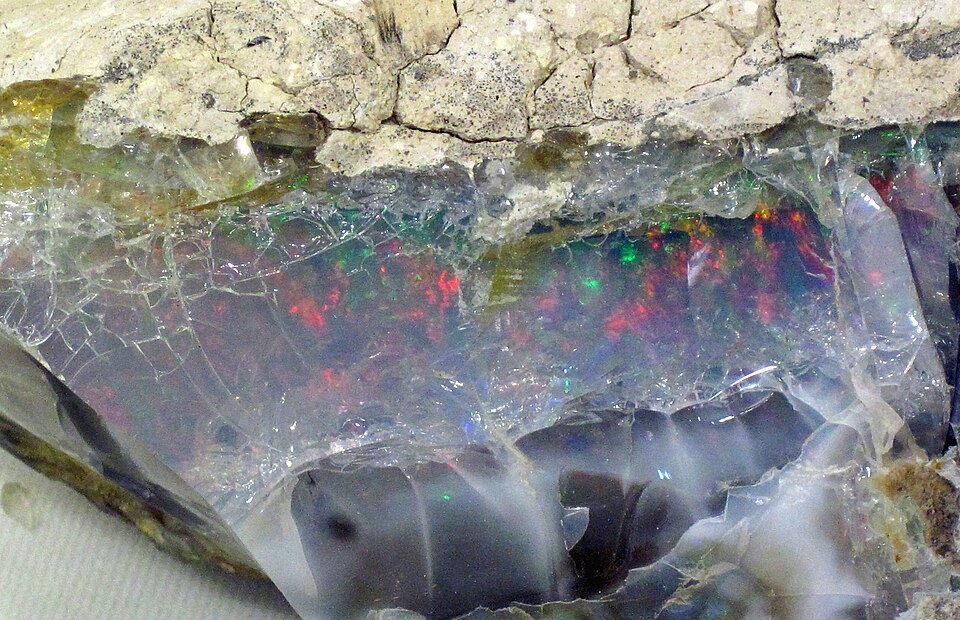 Precious opal · South Wello, EthiopiaSilicaOpWelo opalEthiopia's remarkable play of colour.Precious opal · mineraloidExplore profileClose profile
The Ethiopian story
Precious opal displays shifting flashes of colour. Ethiopia's Wegel Tena deposit was discovered in 2008, followed by a black-opal deposit in 2013. These established finds helped define the country's modern gemstone story.
What to discuss with a supplier
Ask about natural colour, any smoking, dyeing or other treatments, water absorption, stability and suitable care. Request documented origin and clear photographs under consistent lighting.
Research: GIA expedition · Ethiopian opal deposits.
Photo: James St. John · Original photograph · CC BY 2.0. Resized for display; shared under the same licence.
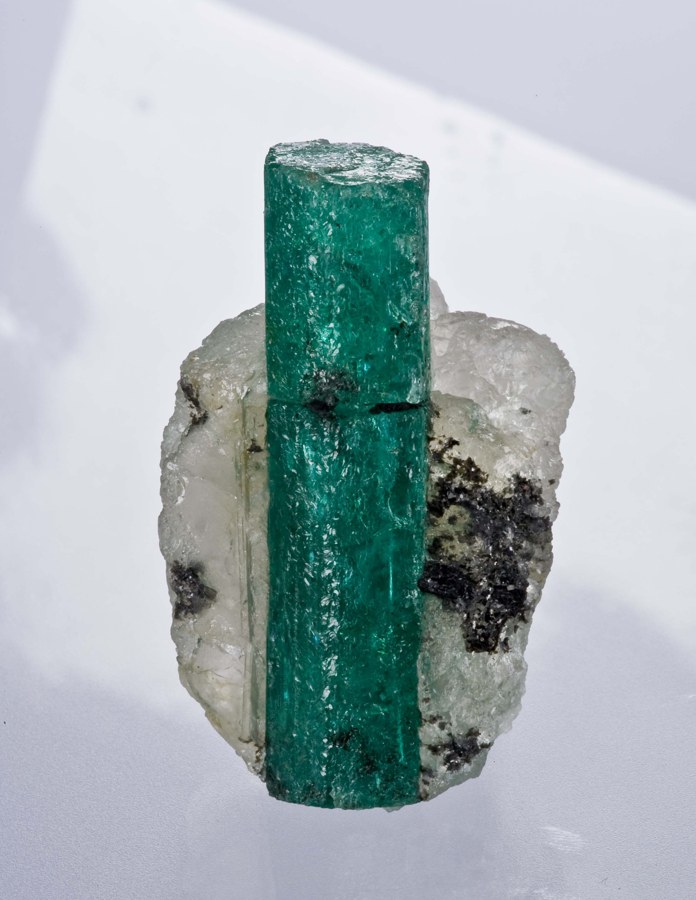 Representative emerald · ZambiaBerylBeShakiso emeraldA green gem from southern Ethiopia.Emerald · beryl familyExplore profileClose profile
The Ethiopian story
High-quality emeralds from the Shakiso area reached the international market in late 2016. This green variety of beryl adds another distinctive chapter to southern Ethiopia's gemstone potential.
What to discuss with a supplier
Clarify whether the material is rough or cut, request disclosure of oils or resins, and assess colour, clarity and fractures. For significant purchases, seek independent gem identification and origin documentation.
Research: GIA expedition · Shakiso emeralds.
Photo: Rob Lavinsky, iRocks.com · Original photograph · CC BY-SA 3.0. Resized for display; shared under the same licence.
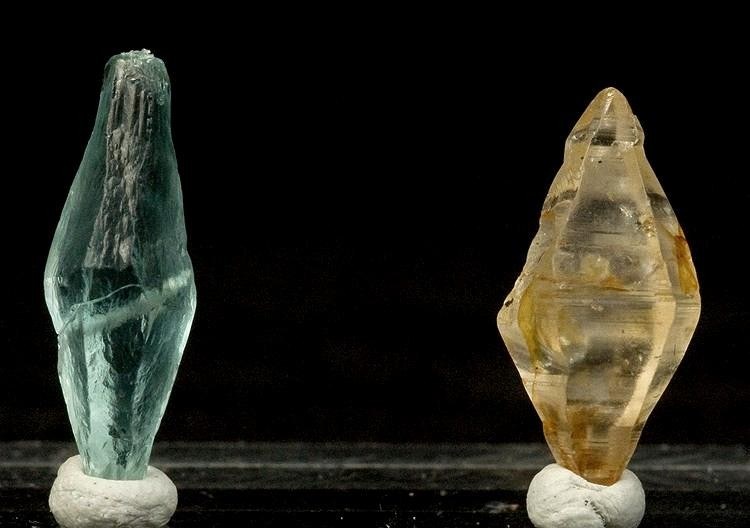 Representative sapphires · Sri LankaOxideAlTigray sapphireNorthern Ethiopia's corundum discovery.Sapphire · corundum familyExplore profileClose profile
The Ethiopian story
GIA received reports of sapphire discoveries near Aksum in Tigray in February 2017. Sapphire is the gem variety of corundum, and these finds widened the picture of Ethiopia's coloured-stone resources.
What to discuss with a supplier
Confirm colour, size, cut or rough form and any heat or diffusion treatment. Ask for a reputable laboratory report and documented provenance; appearance alone cannot establish Ethiopian origin.
Research: GIA expedition · Tigray sapphires.
Photo: Rob Lavinsky, iRocks.com · Original photograph · CC BY-SA 3.0. Resized for display; shared under the same licence.
Native copper29CuCopperWidely used in wiring and cables.Electrical infrastructureExplore profileClose profile
Why it matters
Copper conducts electricity and is used throughout power networks and electrical equipment.
What to discuss with a supplier
Discuss product form, assay, impurities, origin documentation and intended application.
Photo: Jonathan Zander; derivative by Materialscientist · Original photograph · CC BY-SA 3.0. Displayed without alteration.
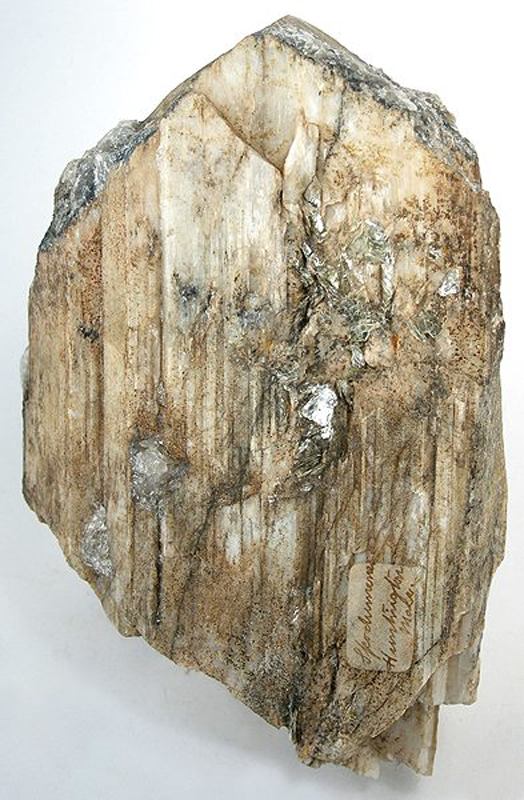 Spodumene · lithium-bearing mineral3LiLithiumUsed in rechargeable batteries.Battery materialsExplore profileClose profile
Why it matters
Lithium is a key input for lithium-ion battery technologies used in transport, electronics and energy storage.
What to discuss with a supplier
Confirm whether the requirement is for ore, concentrate or a refined chemical, and specify grade and impurities.
Photo: Robert M. Lavinsky · Original photograph · CC BY-SA 3.0. Displayed without alteration.
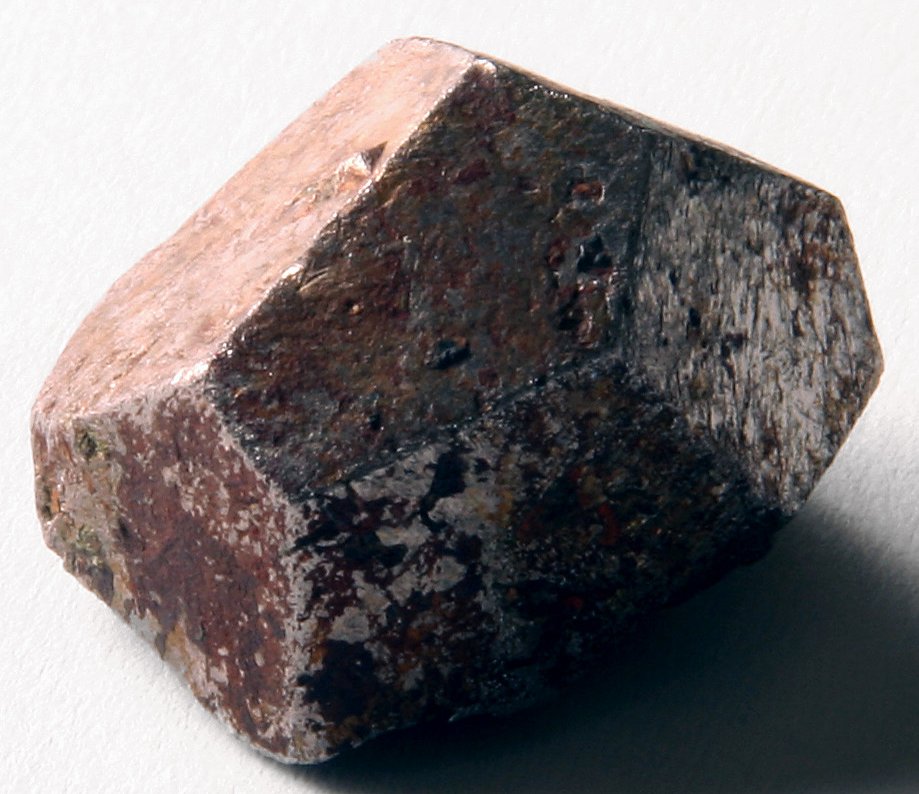 Cobaltite · cobalt-bearing mineral27CoCobaltUsed in batteries and heat-resistant alloys.Battery & alloy materialsExplore profileClose profile
Why it matters
Cobalt has applications in certain rechargeable battery chemistries and alloys designed for demanding conditions.
What to discuss with a supplier
Specify the product form, cobalt content, impurity limits and responsible sourcing requirements.
Photo: Tor Svensson · Original photograph · CC BY-SA 3.0. Displayed without alteration.
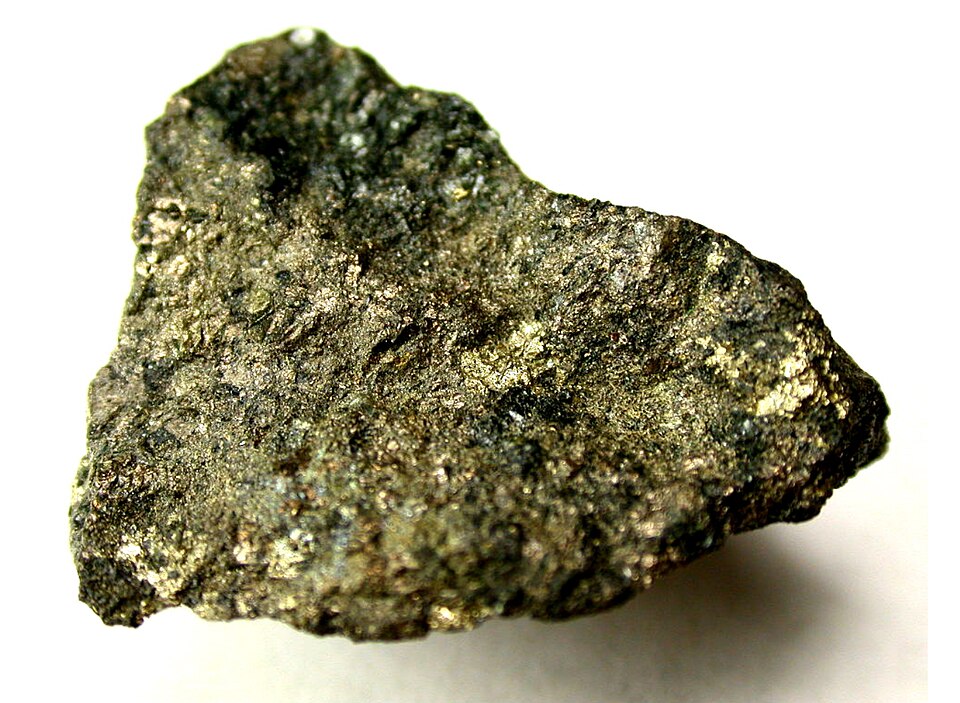 Pentlandite with pyrrhotite · nickel-bearing specimen28NiNickelUsed in strong steels and rechargeable batteries.Industrial & battery materialsExplore profileClose profile
Why it matters
Nickel supports both industrial alloy production and selected battery technologies. Requirements differ significantly by end use.
What to discuss with a supplier
Define the intended market, product form, chemical analysis and acceptance criteria.
Photo: John Sobolewski · Original photograph · CC BY 3.0. Displayed without alteration.
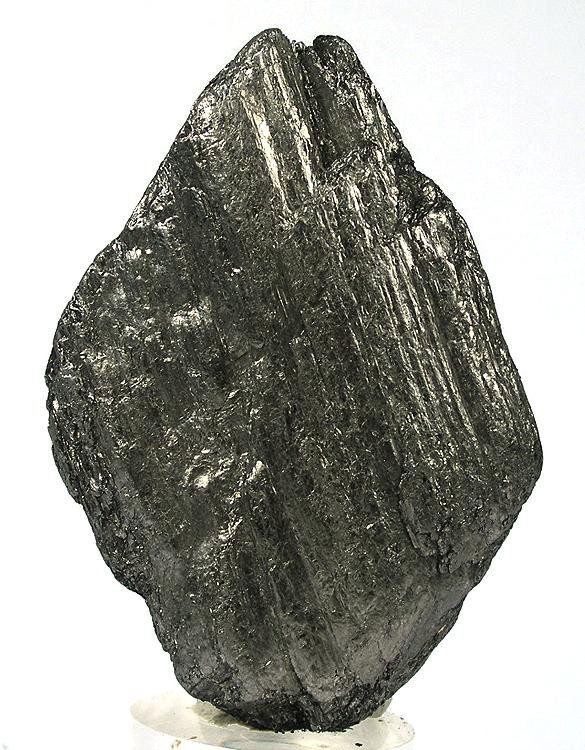 Natural graphite6CGraphiteUsed in batteries, lubricants and fuel cells.Carbon materialsExplore profileClose profile
Why it matters
Graphite is a form of carbon with applications that depend on its purity, particle properties and processing route.
What to discuss with a supplier
Confirm natural or synthetic material, carbon content, particle size and downstream qualification needs.
Photo: Robert M. Lavinsky · Original photograph · CC BY-SA 3.0. Displayed without alteration.
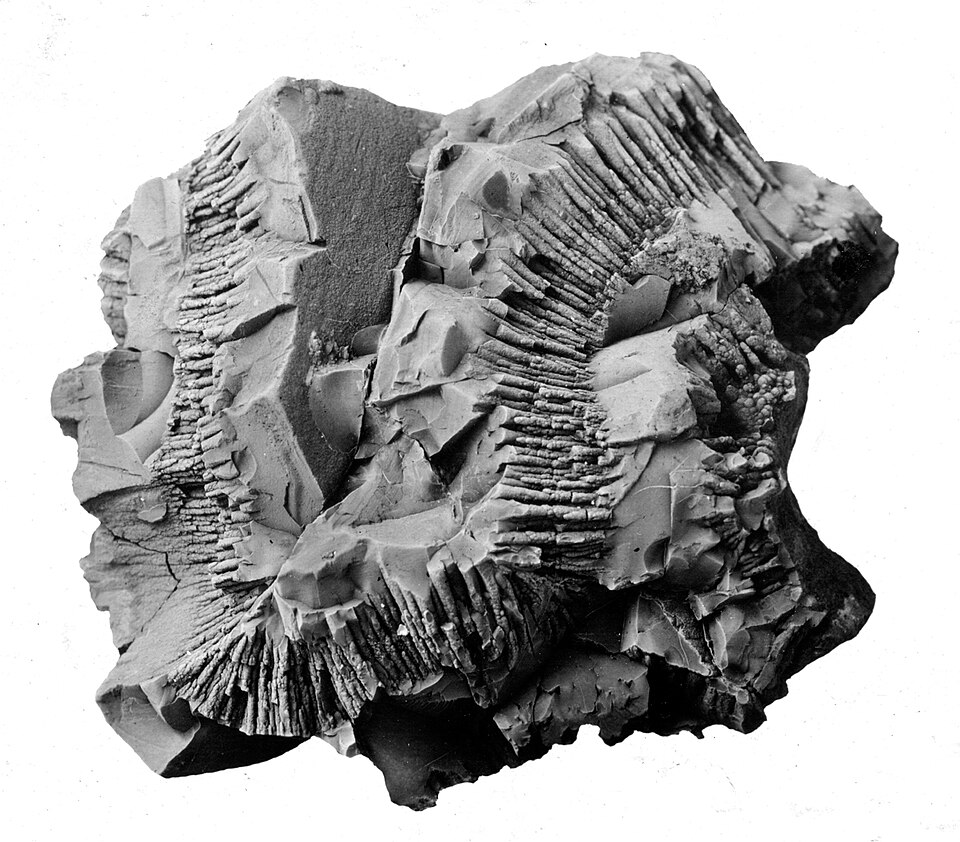 Pyrolusite · manganese-bearing specimen25MnManganeseUsed in steelmaking and batteries.Steel & battery materialsExplore profileClose profile
Why it matters
Manganese serves large industrial markets and also has applications in battery materials. Processing requirements are application-specific.
What to discuss with a supplier
State manganese grade, product form, moisture and impurity requirements.
Photo: USGS · Original photograph · Public domain. Displayed without alteration.
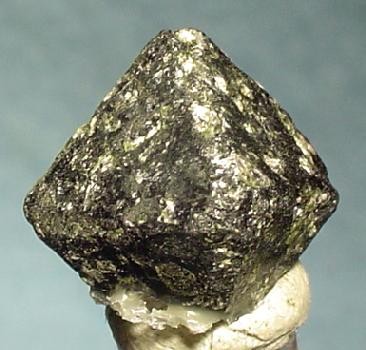 Chromite · chromium-bearing mineral24CrChromiumUsed in stainless steel.Alloy materialsExplore profileClose profile
Why it matters
Chromium is important to stainless-steel production and other alloy applications. Chromite and refined products serve different stages of the value chain.
What to discuss with a supplier
Discuss chemical specification, material form, particle size and the buyer’s intended process.
Photo: Robert M. Lavinsky · Original photograph · CC BY-SA 3.0. Displayed without alteration.
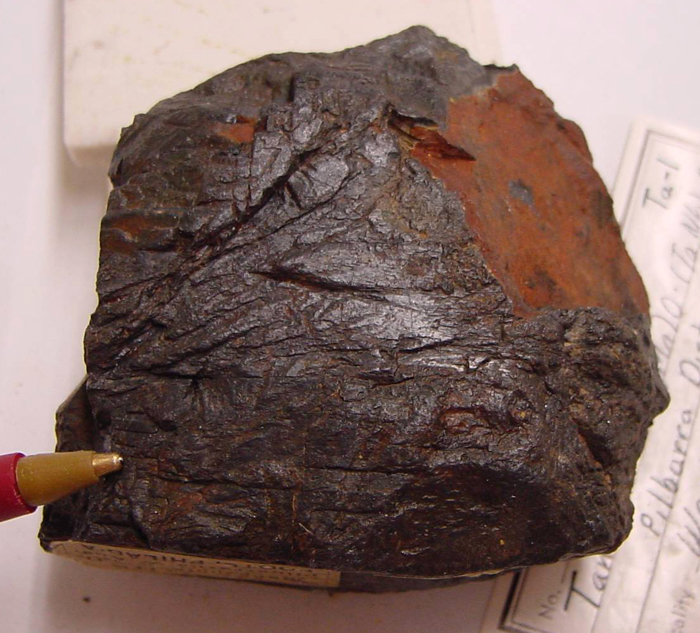 Tantalite · tantalum-bearing mineral73TaTantalumUsed in capacitors and high-performance components.Electronics & specialist materialsExplore profileClose profile
Why it matters
Tantalum’s industrial applications include electronic components and materials intended for demanding environments.
What to discuss with a supplier
Ask for assay, origin and chain-of-custody documentation, along with buyer-specific compliance requirements.
Photo: Andrew Silver / USGS · Original photograph · Public domain. Displayed without alteration.
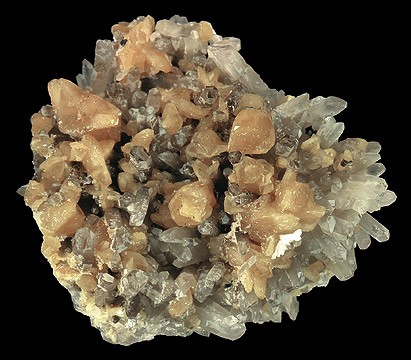 Monazite-(Ce) · rare-earth-bearing mineralGroupREERare earth elementsSelected elements are used in permanent magnets.Magnets & advanced materialsExplore profileClose profile
Why it matters
Rare earths are a group of elements, not a single interchangeable commodity. Individual elements have distinct uses and separation requirements.
What to discuss with a supplier
Specify the individual elements, oxide composition, purity and intended application rather than only a total rare-earth content.
Photo: Robert M. Lavinsky · Original photograph · CC BY-SA 3.0. Displayed without alteration.
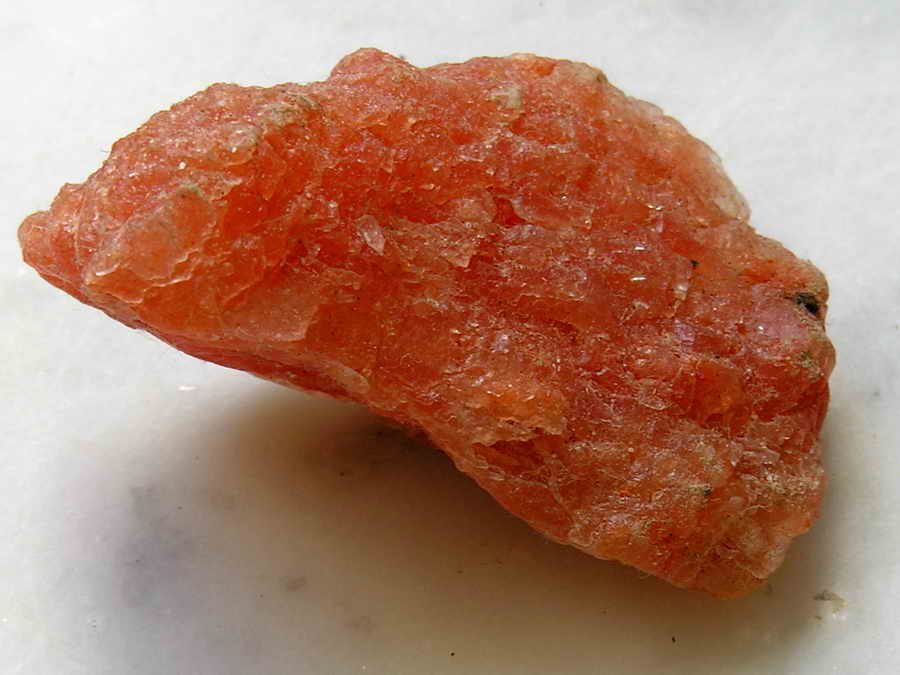 Sylvite · potassium chloride mineralSaltsKPotashUsed in fertilisers.Agricultural inputsExplore profileClose profile
Why it matters
Potash describes potassium-bearing materials used primarily in fertiliser production. It is part of the broader mineral portfolio described in our company profile.
What to discuss with a supplier
Confirm the required fertiliser product, nutrient specification, moisture and packaging.
Photo: Luis Miguel Bugallo Sánchez · Original photograph · CC BY-SA 3.0. Displayed without alteration.
No matching minerals.
Try a mineral name or choose all applications.
Further reading
For official mineral classifications and commodity information, consult the USGS critical minerals overview, USGS tantalum information and the IEA critical minerals resource. Educational content reviewed October 2026. Technical and commercial requirements must be assessed for each transaction.
Value grows
through the chain.
Mineral potential becomes industrial value through careful characterisation, processing, quality control and access to markets.
Source responsibly
Understand origin, suppliers and the documentation required for the material.
Develop locally
Explore appropriate processing, technical skills and opportunities for value addition.
Connect to markets
Align product specifications, logistics and export coordination with buyer requirements.
Connect mineral potential with opportunity.
Talk to UMEX about sourcing, processing support or collaboration across the mineral value chain.